
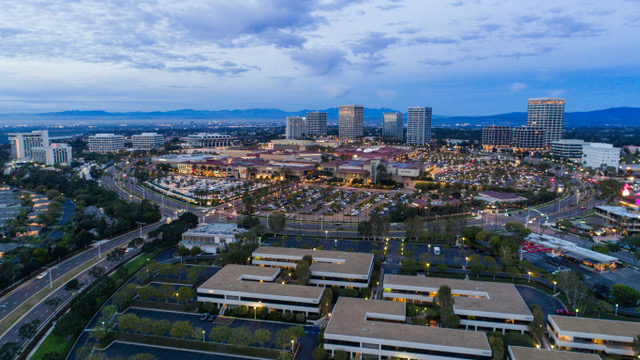
There’s a quiet but powerful shift happening in Irvine, and it’s not in one of the usual master‑planned villages. It’s in the Irvine Business Complex, just off Von Karman near John Wayne Airport, where an aging office campus is about to become one of the city’s most significant new for‑sale housing communities.
A major homebuilder has purchased the roughly 24–25 acre Von Karman Creative Campus—formerly a nine‑building, multi‑tenant office property—with plans to transform it into 426 for‑sale homes. Think modern townhomes, stacked flats, and detached‑style product rather than cubicles and parking lots. For Irvine homeowners, this is more than just another development headline. It’s a window into where the city is headed—and how that could affect your property’s value and your lifestyle over the next few years.
From Office Cubicles to Front Doors
For decades, the Irvine Business Complex was defined by low‑ to mid‑rise office buildings, business parks, and large surface parking lots. It was a place people drove to in the morning and left at 5 p.m.—busy on weekdays, quiet on weekends.
Now, we’re watching that story flip. The Von Karman Creative Campus, once leased out to a mix of office tenants, is being repositioned as a fully entitled residential community. Instead of workers commuting in and out, you’ll have hundreds of owners actually living there—walking their dogs in the evening, grabbing coffee nearby on weekends, and treating the area as home, not just an exit off the freeway.
This isn’t happening in a vacuum. Irvine has been steadily encouraging more mixed‑use, residential‑friendly development in and around the Business Complex. The Von Karman site is one of the clearest examples yet: a large commercial parcel being reimagined as for‑sale housing, not rentals, not industrial, and not more offices.
Why This Matters to Irvine Homeowners
If you already own in Irvine—whether you’re in Northwood, Woodbridge, the Great Park, or one of the older villages closer to the airport—this project touches a few key themes that matter to you:
- Confidence in the Market
Big builders don’t commit to multi‑hundred‑unit projects lightly. When a major player is willing to invest heavily in a large, infill community, it’s a vote of confidence in Irvine’s long‑term demand and pricing power. They’re effectively saying: “We believe buyers will still pay a premium to live here years from now.” - Refreshing Older Corridors
Aging office campuses can become visual and economic dead zones if they’re left to slowly empty out. Converting them into new residential communities helps keep those pockets of the city fresh, active, and relevant. That’s good for the overall brand of Irvine—and indirectly, for your home’s desirability. - More For‑Sale Options, Not Just Rentals
A lot of new development in Southern California leans rental. This community leans owner‑occupied. For current Irvine residents thinking about moving without leaving the city, that matters. It creates more pathways to “trade up” or “right‑size” while staying local.
How 426 New Homes Could Shape Supply and Demand
You might be wondering: “Does this much new inventory hurt my home value?” The nuanced answer is: it depends on your time horizon and where you sit in the market.
In the short term, new communities tend to attract a specific type of buyer—people who want brand‑new construction, builder warranties, and often, a more urban or lock‑and‑leave lifestyle. That doesn’t directly compete with every existing neighborhood. A family looking for a large lot in Turtle Rock or a traditional Woodbridge lake‑area home isn’t necessarily the same buyer lining up for a smaller, vertical townhome near the airport.
In the medium to long term, additional for‑sale inventory can help ease some of the extreme pressure on pricing, especially at more attainable price points. But it’s unlikely to “flood” the market. Irvine’s demand drivers—schools, safety, jobs, and location—remain strong, and land for large for‑sale projects is limited.
For move‑up buyers already in Irvine, communities like this can actually be a net positive. They give you:
- More choices if you want newer construction without moving to another county
- Another “step” on the ladder if you’re selling an older condo or townhome and want something more modern but still relatively compact
- Potential leverage as a seller if demand for your specific product type (larger SFRs, certain school zones) remains tight even as new supply hits in a different segment
What This Means for the Feel of the Area
Beyond the numbers, this project will change how the surrounding area feels. An office park generates weekday traffic and empty parking lots after hours. A residential community generates:
- Evening and weekend activity—more people out walking, dining, and shopping
- Support for local retail—cafes, restaurants, and services close to Von Karman and Alton get a larger, more consistent customer base
- A more “complete” neighborhood energy rather than a purely commuter zone
Over time, that can ripple out into improvements in streetscape, amenities, and the types of businesses that choose to open nearby. For homeowners across Irvine, this is another step in the city’s evolution from a primarily master‑planned suburb into a more balanced, jobs‑and‑housing ecosystem.
If You’re Thinking About Moving in the Next 1–3 Years
If you’re planning to stay put long term, this project is mostly background context—another reason Irvine remains a strong, evolving market.
If you’re considering a move in the next one to three years, it’s more strategic:
- You’ll want to watch when pre‑sales or model openings are announced
- You’ll want to see how pricing comes out relative to existing townhomes and smaller SFRs in nearby neighborhoods
- You’ll want to time your sale—and your next purchase—so you’re not making decisions in a vacuum, but in full view of how this new supply is being absorbed
The key advantage you have as an existing homeowner is flexibility. You already own in a high‑demand city. The question becomes: how do you leverage that position—whether by trading up, downsizing, or simply refining your long‑term plan—as projects like this reshape the landscape?
Final Thought
Big, master‑planned moves like this don’t happen every year in Irvine, especially on this scale and in such a central, job‑rich corridor. For local homeowners, it’s a reminder that the city isn’t static. Older uses are being rethought, land is being used more efficiently, and the line between “business district” and “residential neighborhood” is intentionally blurring.
If you’d like a breakdown of how this specific project could affect your neighborhood, price point, or next move, now is the time to start that conversation—before the models open and everyone else is paying attention.