
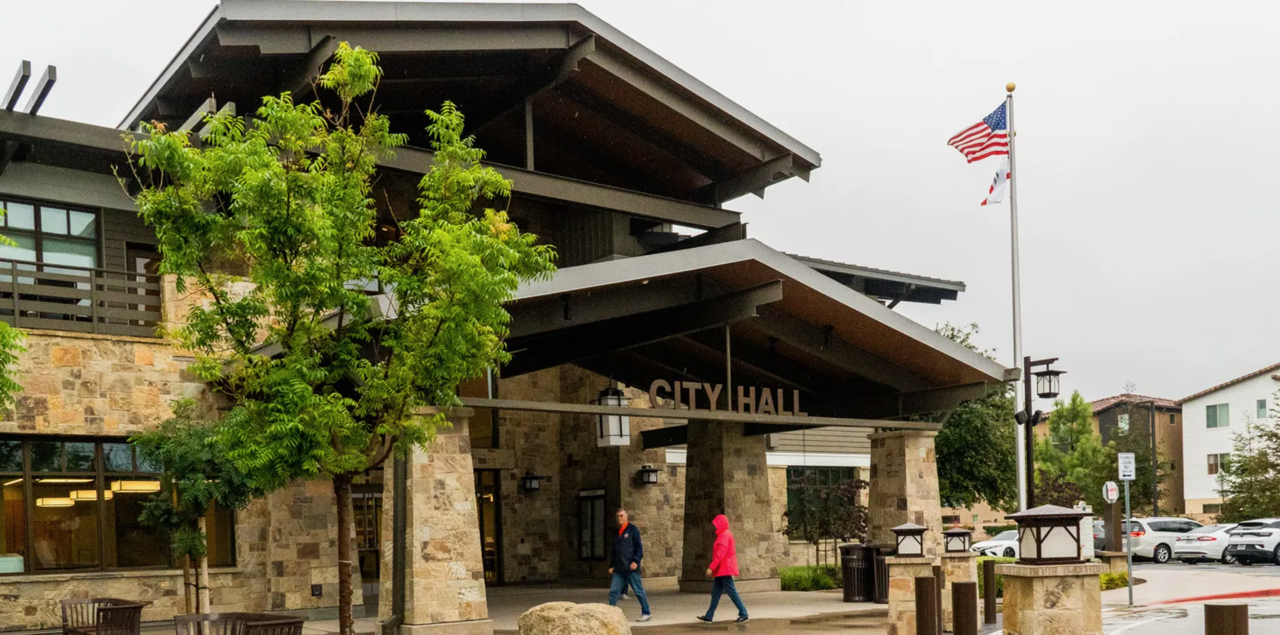
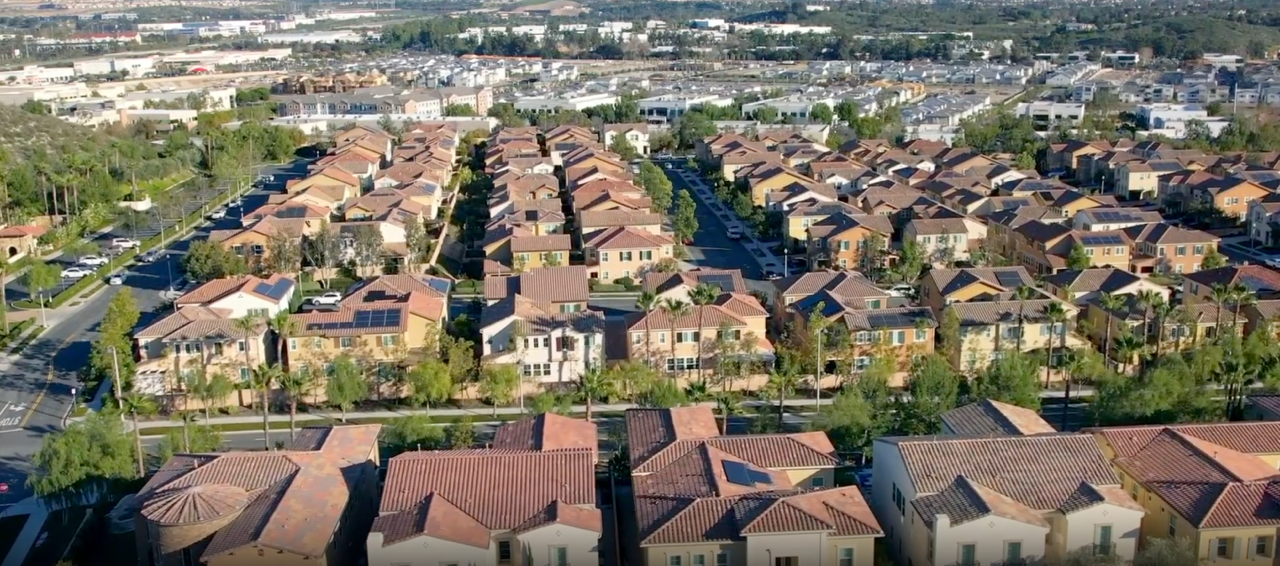
For more than three decades, a vacant piece of land in Lake Forest has represented a promise.
A promise of green space.
A promise of a community park.
A promise that never quite became reality.
Now, that promise is facing a new reality.
Lake Forest city leaders are moving forward with plans to use a portion of a 6.5-acre public property in the Whispering Hills neighborhood for affordable housing, while preserving a smaller section as park space. The decision has reignited a debate that communities across Orange County are increasingly facing:
When land is limited, what should come first, parks or housing?
A Vision That Never Materialized
The property was acquired by the city in 1999 and has remained largely untouched ever since.
Over the years, various attempts were made to turn the site into a neighborhood park. But according to city officials, the project repeatedly stalled due to funding challenges and a lack of consensus on how the land should be developed.
After decades of waiting, city leaders are now pursuing a different path.
Under the proposal, approximately 2.5 acres would remain dedicated as park space, while the remaining 4 acres could be sold and developed into affordable housing.
Why the Change?
The answer is simple: California’s housing shortage.
Like many cities throughout the state, Lake Forest is under increasing pressure to meet state-mandated housing goals. These requirements aren’t suggestions. Cities must identify and zone enough land to accommodate housing across multiple income levels.
And right now, Lake Forest still has significant ground to make up.
Affordable housing has become one of the most pressing challenges facing Orange County residents. Rising home prices, increasing rents, and a limited supply of housing have made it difficult for many families, working professionals, and retirees to remain in the communities they call home.
The Senior Housing Opportunity
One aspect of the proposal that has generated support is the possibility of creating affordable housing specifically for seniors.
As Orange County’s population continues to age, many longtime residents are finding themselves priced out of the communities where they’ve spent decades building their lives.
For some residents, the idea of helping local seniors stay in Lake Forest outweighs the disappointment of losing part of the land originally envisioned as a park.
It’s a reminder that affordable housing isn’t always about growth. Sometimes it’s about helping people stay where they already belong.
Why Residents Are Divided
Not everyone supports the plan.
Many residents argue that the city made a commitment to build a park and should honor that promise. For families in the area, additional green space, recreation areas, and community gathering places remain valuable assets that contribute to quality of life.
Others question whether this particular location is the right solution for affordable housing.
Their concern isn’t necessarily about affordable housing itself. It’s about whether the city is choosing the right site and following the right process.
And that’s what makes this issue so complicated.
Both sides are advocating for something that benefits the community.
The disagreement comes down to which need is more urgent.
The Bigger Picture for Orange County
This conversation extends far beyond Lake Forest.
Across Orange County, cities are wrestling with the same challenge: balancing housing needs, open space, infrastructure, and community expectations.
As available land becomes increasingly scarce, these decisions become more difficult.
A vacant parcel can only serve one primary purpose.
The question is no longer whether communities need more parks or more housing.
The question is how we find room for both.
My Take
As someone who works in Orange County real estate every day, I see firsthand how difficult affordability has become for many residents, especially seniors and first-time buyers.
At the same time, parks and public spaces are an essential part of what makes a community desirable in the first place.
This proposal attempts to strike a balance by preserving a portion of the land for recreation while addressing a growing housing need.
Whether that balance is the right one will ultimately be decided by the community and its elected leaders.
But one thing is certain: conversations like this will become increasingly common throughout Orange County in the years ahead.