
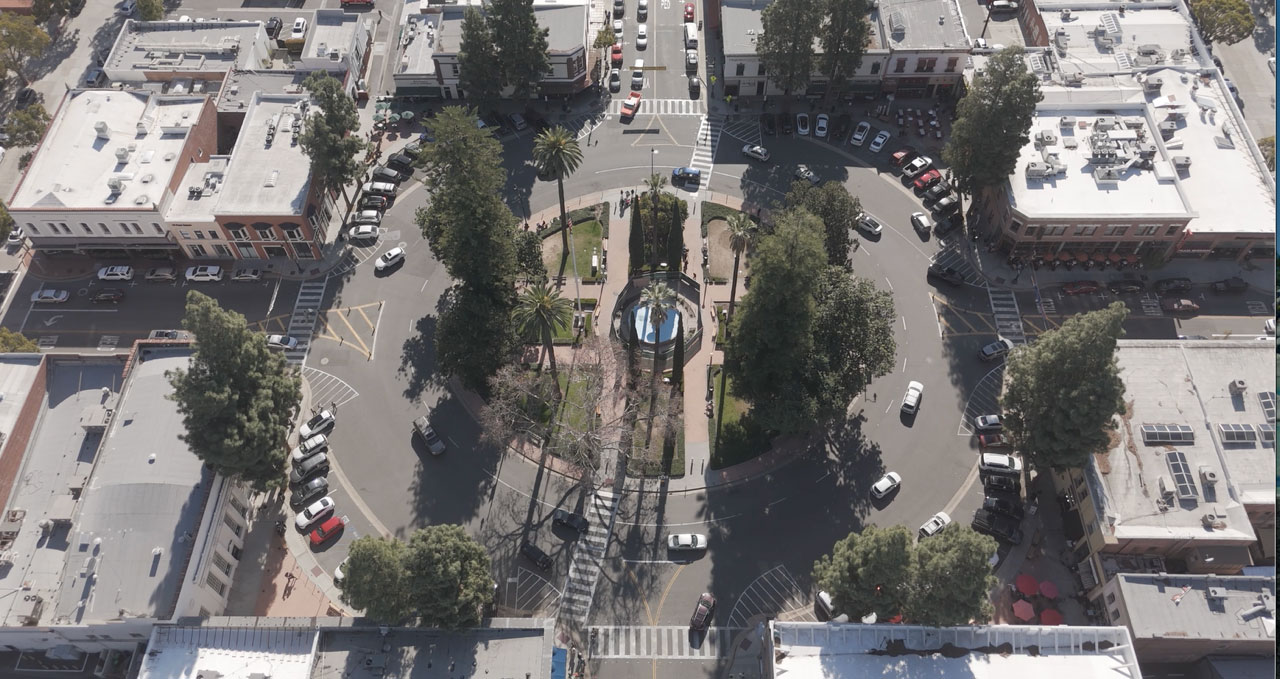
The City of Tustin has launched the Southwest Tustin Parking Study, a neighborhood focused analysis designed to better understand parking supply, demand, and long term parking challenges in one of the city’s established residential areas. While parking studies may sound routine, they often shape future policies that directly affect daily life, neighborhood convenience, and even long term housing dynamics.
What is the Southwest Tustin Parking Study?
The Southwest Tustin Parking Study evaluates current parking conditions in the area generally located west of Newport Avenue, north of Sycamore Avenue, and south of the I 5 Freeway. The goal is to collect real world data, identify patterns of parking congestion, and determine whether future parking management strategies may be needed.
Why the City of Tustin is conducting a parking study?
Many mature neighborhoods throughout Orange County were developed during a time when household vehicle ownership was lower and residential density was different. Over time, increases in population, multi generational living, and nearby commercial activity can create new parking pressures that older street layouts were not originally designed to handle. Parking studies allow cities to measure actual usage patterns before implementing policy changes, ensuring that decisions are based on measurable neighborhood needs rather than assumptions.
Possible outcomes of the Southwest Tustin Parking Study
Although the study does not automatically mean new parking restrictions will occur, parking studies frequently lead to recommendations such as residential permit parking programs, time limited parking regulations, improved enforcement strategies, or targeted street design adjustments. Any future changes would typically involve community outreach, public hearings, and multiple stages of review before implementation.
How parking studies can influence neighborhood dynamics and property demand?
Parking availability plays a meaningful role in neighborhood livability, particularly in established residential communities where driveway capacity and street width may be limited. Areas with predictable and well managed parking conditions often experience stronger neighborhood stability, while persistent parking congestion can influence buyer perception, rental demand, and daily convenience for residents. For homeowners, understanding when a city begins studying parking patterns can provide early insight into potential neighborhood policy adjustments that may occur in the coming years.
What residents should watch next?
As the Southwest Tustin Parking Study progresses, residents in the affected area may receive surveys, community meeting invitations, or opportunities to provide feedback. Participation is important because resident experiences help shape the data that planners use when evaluating whether policy changes are necessary. Even if no immediate changes are implemented, the findings will serve as a long term reference for future neighborhood planning decisions.
The Southwest Tustin Parking Study reflects a broader trend across Southern California, where cities are proactively analyzing infrastructure conditions in established neighborhoods to prepare for future growth and evolving transportation patterns. For residents, buyers, and property owners in Southwest Tustin, staying informed about this study offers valuable awareness of how local planning decisions may shape neighborhood convenience, accessibility, and long term housing demand.