
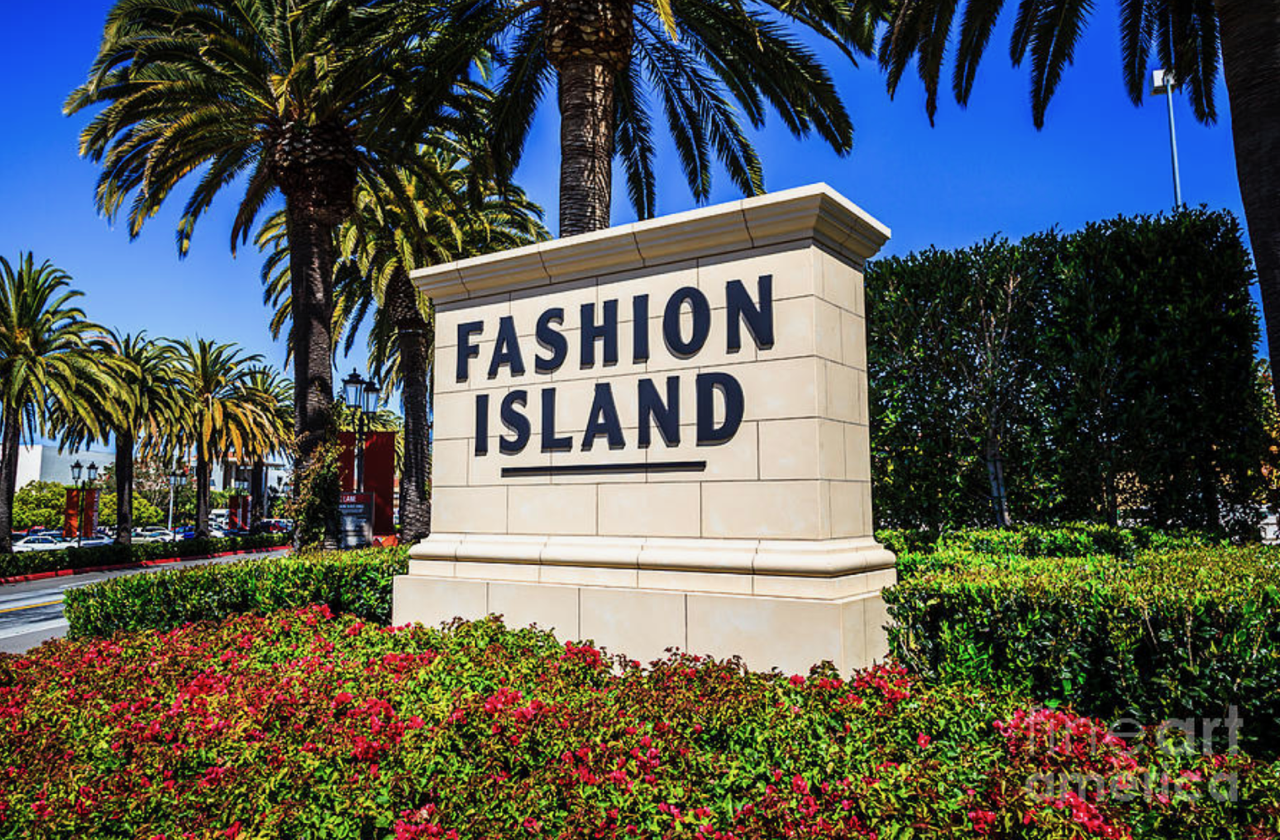
For decades, the area surrounding Fashion Island represented a very specific version of Orange County success.
Drive in. Park. Work. Shop. Leave.
Wide streets. Office towers. Structured parking garages. Retail plazas designed around the automobile. Newport Center was never meant to feel like a true urban neighborhood. It was designed as a high performing commercial district that came alive during business hours and quieted down at night.
But quietly, something has been changing.
And one demolished parking structure may say more about the future of Orange County real estate than most people realize.
Irvine Company has officially started construction on a new 184 unit apartment development at 800 San Clemente Drive in Newport Beach, replacing an aging four story parking garage near Fashion Island.
At first glance, it sounds like another luxury apartment project.
It’s not.
It’s a signal.
A signal that some of the most valuable land in coastal Orange County is no longer being prioritized for car storage. It’s being repositioned for lifestyle.
That distinction matters.
Newport Center Is Quietly Becoming a Live Work District
The transformation happening inside Newport Center is subtle enough that many people may not notice it yet.
But urban planners, developers, and investors absolutely do.
Historically, Newport Center functioned as a daytime ecosystem. Corporate offices filled the area Monday through Friday. Fashion Island drove shopping traffic. Restaurants thrived during lunch meetings and evening reservations.
But after the pandemic, the economics of space changed.
Remote work softened office demand. Consumer habits evolved. Parking utilization shifted. Suddenly, massive concrete parking structures occupying premium coastal land no longer made as much financial or functional sense as they once did.
So now the question becomes:
What is the highest and best use of land in one of the wealthiest coastal markets in California?
The answer increasingly appears to be housing.
Not suburban sprawl. Not endless outward expansion. But strategic infill development embedded directly into existing lifestyle hubs.
And that is exactly what this project represents.
This Is Bigger Than Apartments
The new development will expand the existing Villas Fashion Island community from 524 units to 708 units total.
The project includes approximately 225,000 square feet of residential space, subterranean parking, coworking areas, outdoor courtyards, fitness amenities, a sauna, resort style pools, and direct connectivity to the broader Fashion Island lifestyle ecosystem.
But what makes this project compelling is not just the architecture or amenities.
It’s the psychology behind why people increasingly want to live this way.
Walkability has become a luxury.
Time has become a luxury.
Convenience has become a luxury.
Being able to walk to dinner, fitness classes, shopping, coffee, work meetings, and entertainment without spending half your day inside a car is becoming one of the most desirable forms of real estate value in Southern California.
Especially in affluent coastal markets where land is finite.
That is why projects like this matter.
They reflect changing consumer behavior just as much as they reflect changing zoning priorities.
Orange County Is Entering a Different Era of Development
For years, Orange County growth largely followed a familiar formula:
Master planned communities.
Low density expansion.
Car dependent infrastructure.
Single use zoning.
But many of the region’s most economically powerful areas are now running out of easily developable land.
Which means the future increasingly becomes about redevelopment instead of expansion.
Parking lots become housing.
Underutilized commercial land becomes mixed use.
Office adjacent districts become residential lifestyle environments.
And cities are becoming more open to it because they have to be.
The State of California requires Newport Beach to plan for thousands of additional housing units by 2029. At the same time, local governments are trying to preserve quality of life while balancing economic realities.
That creates tension.
But it also creates opportunity.
The projects moving forward today are likely shaping what Orange County will look like for the next 20 to 30 years.
The Most Interesting Part? This Was Approved Quietly.
One of the most overlooked details of this development is how it was approved.
The project reportedly moved through an administrative approval process under the North Newport Center Planned Community zoning framework, meaning it did not require public Planning Commission or City Council hearings.
That matters because it signals something important:
Newport Beach is becoming more comfortable streamlining certain housing developments in targeted growth corridors.
Especially when they are integrated into existing commercial infrastructure.
That does not mean Newport Beach is suddenly becoming high density Los Angeles.
Far from it.
But it does suggest a more pragmatic approach to future growth.
And in a city where development conversations are often politically sensitive, that shift is significant.
The Real Story Isn’t the Building. It’s the Direction.
The easiest way to look at this project is to say:
“A parking garage got replaced by apartments.”
But that misses the bigger story.
The real story is that Orange County’s most valuable markets are evolving from places people simply visit into places people fully live.
Not just retail destinations.
Not just office hubs.
Not just commuter corridors.
Complete lifestyle ecosystems.
And in many ways, that evolution was inevitable.
Because when land becomes this scarce, this expensive, and this desirable, every square foot starts getting reevaluated.
Even the parking spaces.